Complex Needs. Experienced Hands. Personalised Care.
Specialist support for people with high physical support needs, neurological conditions, and complex disability-related health requirements.
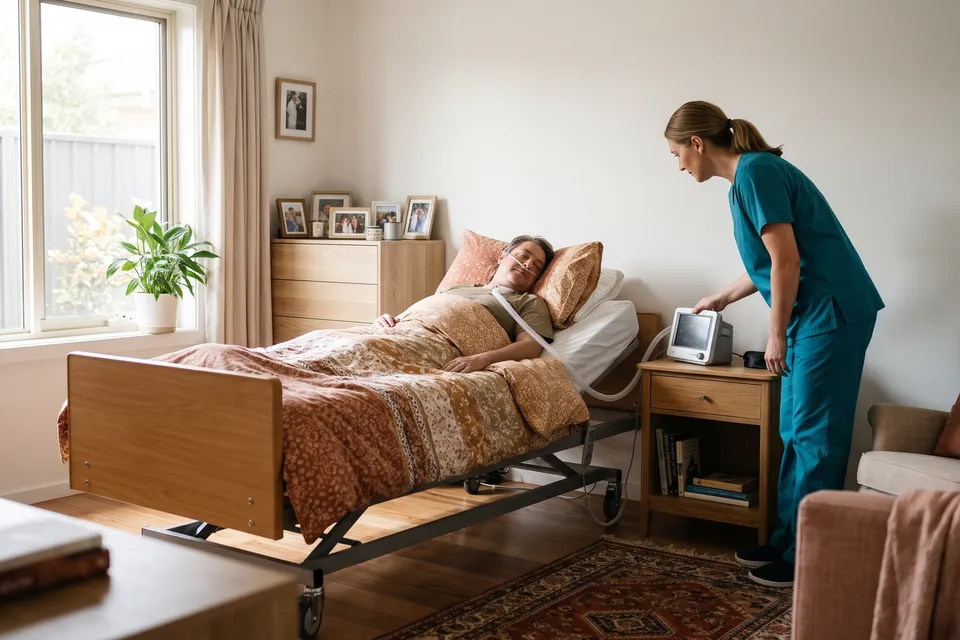
Designed for High-Complexity Conditions
Supporting someone with complex health needs requires consistency, clear communication, sound clinical judgement, and careful planning alongside families and healthcare professionals.
- Severe stroke & acquired brain injury (ABI)
- Spinal cord injury (SCI) & high physical support needs
- Motor neurone disease (MND) & progressive neurological conditions
- Complex intellectual disability & cerebral palsy
- Disorders of consciousness / high-dependency home care
Scope & Clinical Governance
All high-intensity supports are delivered within Forteture’s registration scope, under individualised care plans, verified worker competency, and appropriate clinical oversight. Delegated health tasks are only performed where authorised and supported by clinician training.
10 Areas of Complex Support
Daily Living & Personal Care
Showering, dressing, grooming, toileting, continence support, meal assistance, and safe transfers.
Enteral Nutrition (PEG & Tube Feeding)
PEG and enteral feeding support, feeding routines, tube-related monitoring, and clinical escalation.
Airway & Respiratory Support
Tracheostomy support, suctioning where authorised, ventilator support, and respiratory equipment routines.
Continence & Complex Bowel Care
Catheter-related support, complex bowel-care routines, and individualised continence management.
Neurological & Seizure Support
Seizure observation, epilepsy management plans, seizure response, and emergency escalation.
Medication & Delegated Injections
Medication assistance, delegated tasks, and prescribed subcutaneous injections where authorised.
Skin Integrity & Positioning
Pressure injury prevention, scheduled positioning, skin checks, and authorised wound-care support.
Mobility, Hoists & Equipment
Hoist transfers, manual handling, pressure-relief positioning, and clinician-prescribed exercises.
Community Participation
Medical appointments, accessible transport, social participation, and supported outings.
Extended & 24-Hour Care
Overnight assistance, active night support, and high-hour continuous rostered support.
Clinical Care Assurance Framework
Initial Needs & Risk Assessment
Establish health, functional, environmental, and emergency escalation requirements.
Individualised Care Planning
Collaborate with relevant clinicians to document task-specific instructions and pathways.
Staff Competency & Matching
Select workers based on qualifications, healthcare experience, verified competencies, and fit.
Multidisciplinary Oversight
Coordinate with the person’s care team, monitor changing needs, and manage clinical risks.
Ongoing Monitoring & QA
Document supports, review incidents, update plans, and deliver refresher training.
Referring or arranging support for a complex case?
Speak with our intake team about clinical complexity, equipment, and safe transition from hospital to home.